
O-01
Electricity
100 MW+ per platform
Baseload, dispatchable power generated from the plasma process — deliverable behind the meter to datacenters or to the grid.
- 500 MW–1 GW retrofit pathway
- Zero-pollution output stream
A patented magnetic plasma pinch converts municipal, agricultural and plastic waste into 100 MW or more of electricity per platform — plus carbon nanotubes, graphene, syngas, green hydrogen and biochar. Five revenue lines from one continuous process.
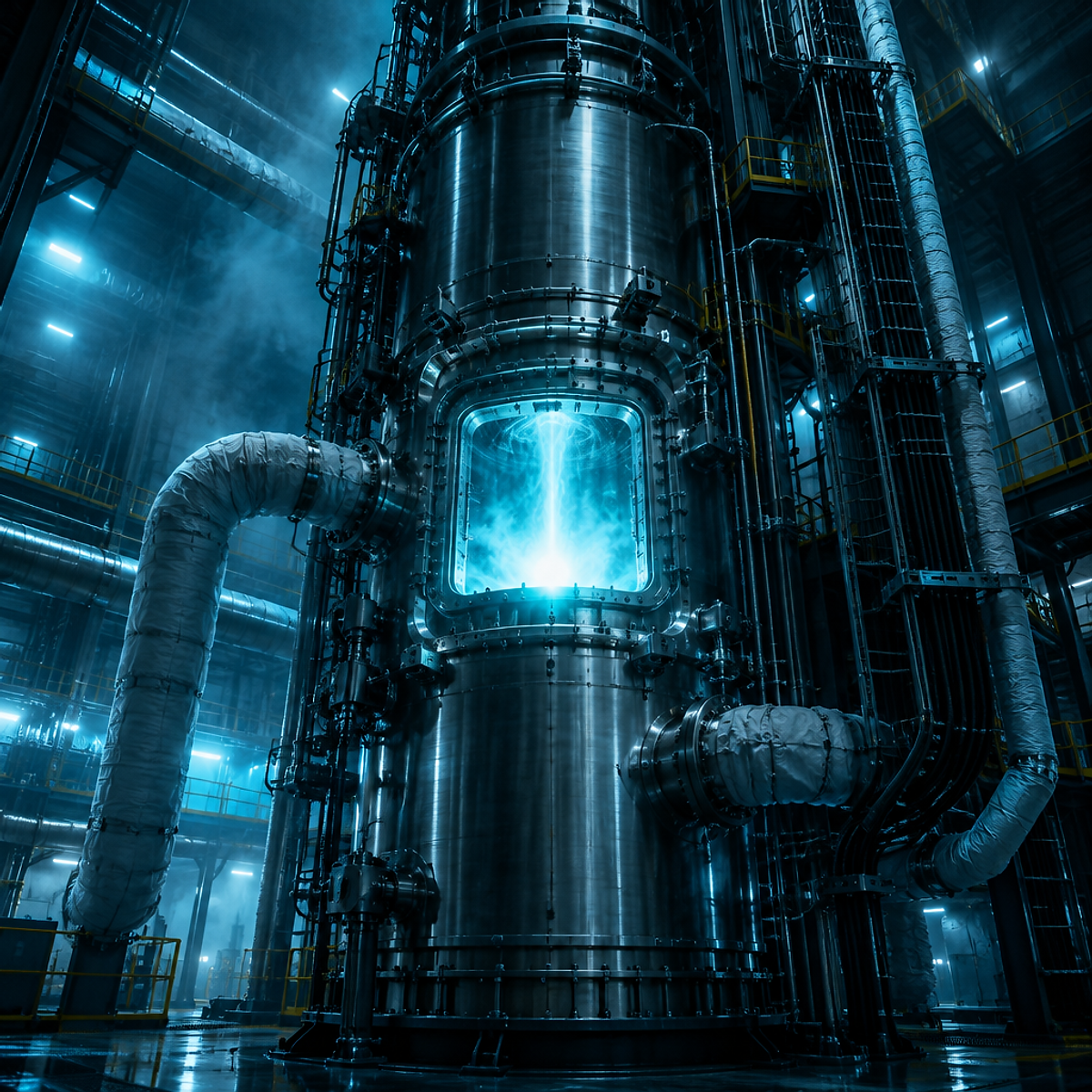
Reference configuration
Multi-flame plasma platform
Hyperscale datacenters, advanced batteries, solid-state transformers and defense systems all depend on high-purity nano-materials and reliable clean power. Conventional production is capital-intensive, single-product and supply-constrained.
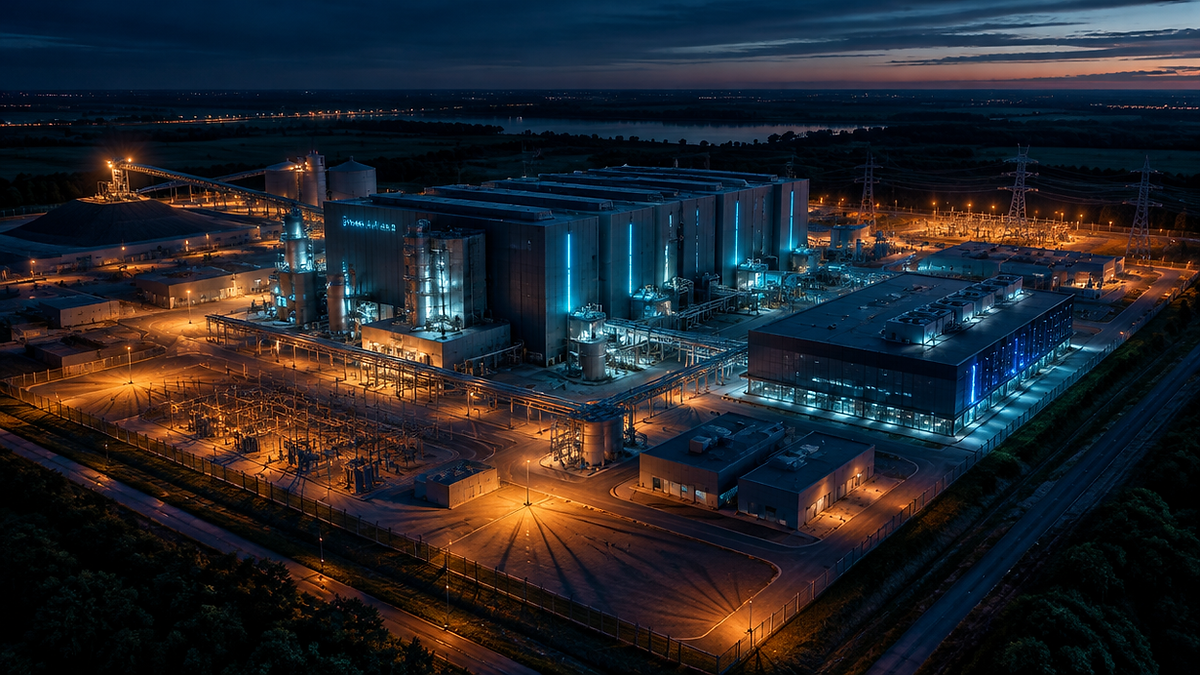
Conventional nanomaterial production needs a dedicated facility per material. Plasmera produces electricity, carbon nanomaterials, syngas, hydrogen and biochar simultaneously — which is what makes the unit economics work.
100 MW+ per platform
Baseload, dispatchable power generated from the plasma process — deliverable behind the meter to datacenters or to the grid.
MWCNTs · graphene · graphene sheets
High-value carbon nanomaterials produced continuously — the margin engine of the platform, not a byproduct.
Process fuel & chemical feedstock
Clean synthesis gas captured from the reactor and fed back into power generation or sold as industrial feedstock.
Zero-carbon co-product
Hydrogen produced alongside materials — structurally cheaper than standalone electrolysis, without dedicated renewable build-out.
Optional, feedstock-dependent
A soil-enhancing carbon product for agricultural markets — a switchable output that follows local pricing.
One platform. Five markets. No single-product cost exposure.
How the platform earnsPlasmera's patented process uses adiabatic magnetic compression to reach temperatures conventional plasma systems cannot sustain — validated in work with Battelle.
Third-party validation
Process performance confirmed in validation work with Battelle. Full test data is available to investors under NDA.

A magnetic field squeezes the plasma into a pinch, creating hotter, longer-lasting plasma from the same kilowatts.
Waste feedstock is broken down at the molecular level into carbon, syngas and hydrogen — continuously, not in batches.
Each output is captured and conditioned in line: power to the bus, nano-carbon to powder, hydrogen and syngas to storage.
Three signed letters of intent, one signed MOU and a backlog of one platform and 2,000 tons per year of nano-ferrite material.
| Partner / prospect | Tier | Stage | Commitment | Workload |
|---|---|---|---|---|
| Texas oil operator | Plasmera Mobile | LOI signed | 1+ mobile units | Enhanced oil recovery at multiple well sites |
| Magment (solid-state transformers) | Nano-materials | MOU signed | Thousands of tons | Nano-materials for SST concrete |
| Pacific NW rare-metals mine | Plasmera Mobile | LOI signed | 1 mobile unit | Gold, silver and platinum-group metals from tailings |
| Potash mine operator | Plasmera Mobile | LOI signed | 1 mobile unit | Potash extraction and sales |
| Mining, oil, gas & potash company | Plasmera Platform | Active discussion | 1 platform | Sustainable aviation fuel and nano-materials |
The physics is proven. The capital buys the first production unit and the operating dataset that de-risks every system after it.
2005–2025
Plasma pinch mechanism co-developed with Battelle labs and patented. Torch testing completed; Battelle found a significant step improvement over existing technologies.
Months 1–18 · Seed
Close the seed round, then build and commission the first data-collection unit. Unit 1 begins earning from e-waste, enhanced oil recovery, potash and tailings work from month 18.
Months 19–31 · Series A
Complete the first production system and sign anchor customer offtake agreements.
Months 32–54 · Series B
Build Systems 2 and 3 and expand the product portfolio.
Years 3–5
About five production units added per year across a multi-site manufacturing network, targeting 20 systems by year five.
Year 5+
20+ production systems and a global nano-materials platform. Management targets $1.3B+ annual revenue and a $660M+ EBITDA run-rate.
Targets are management estimates and forward-looking; see investor materials.
We are raising to build the first production unit and validate data at commercial scale. Request the deck, the financial model and the technical data room.